Best Timing for Residential Erosion Controls
Implementing residential erosion controls at appropriate times can significantly reduce soil loss, sediment runoff, and property damage. The most effective periods for installation are during active landscape disturbance, typically in early spring and late fall, when soil is more receptive to stabilization measures. Proper timing ensures that erosion prevention methods are in place before heavy rainfall or snowmelt begins, minimizing environmental impact and property risks.
Erosion control measures are most beneficial when applied before significant weather events that can cause soil displacement. Installing controls during dry periods allows for better soil stabilization and adherence of erosion fabrics or mulches. Additionally, early installation can prevent costly repairs and environmental issues caused by unmanaged runoff. Regular monitoring and timely upgrades ensure ongoing protection throughout the year.
Spring and fall are ideal for installing erosion controls due to moderate weather and soil conditions, reducing the risk of disturbance during extreme weather.
Avoid installation during heavy rain or snow to ensure materials set properly and to prevent washouts.
Timing soil preparation before planting or landscaping projects enhances the effectiveness of erosion control measures.
Erosion controls should be maintained and checked regularly after installation, especially during rainy seasons.
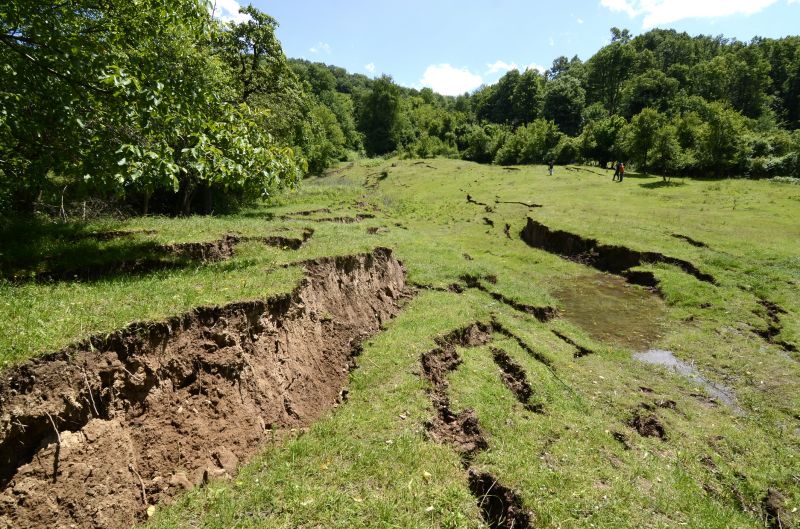
Ways to make Residential Erosion Controls work in tight or awkward layouts.
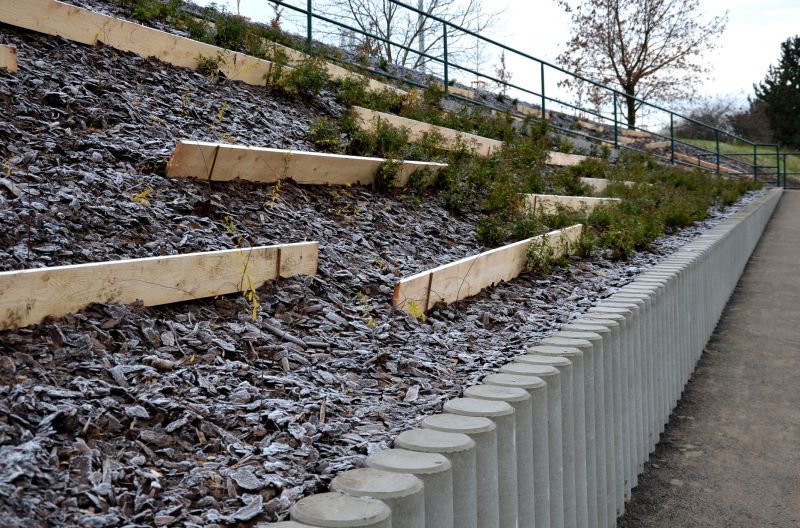
Popular materials for Residential Erosion Controls and why they hold up over time.
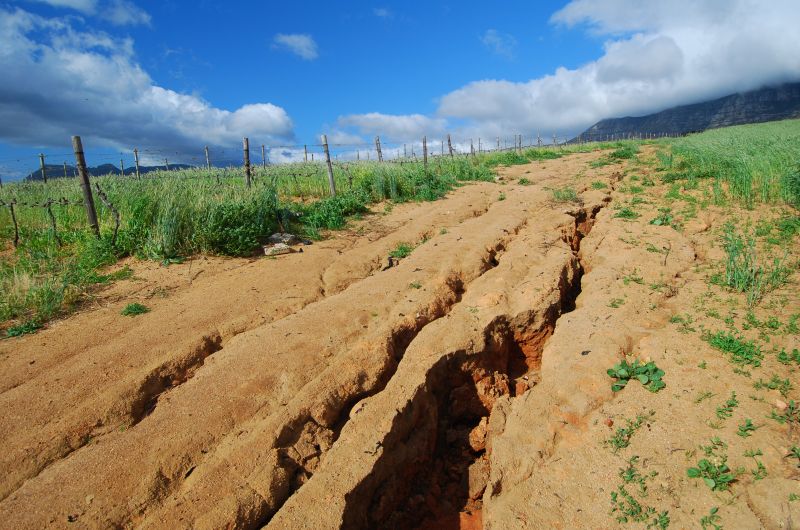
Simple add-ons that improve Residential Erosion Controls without blowing the budget.
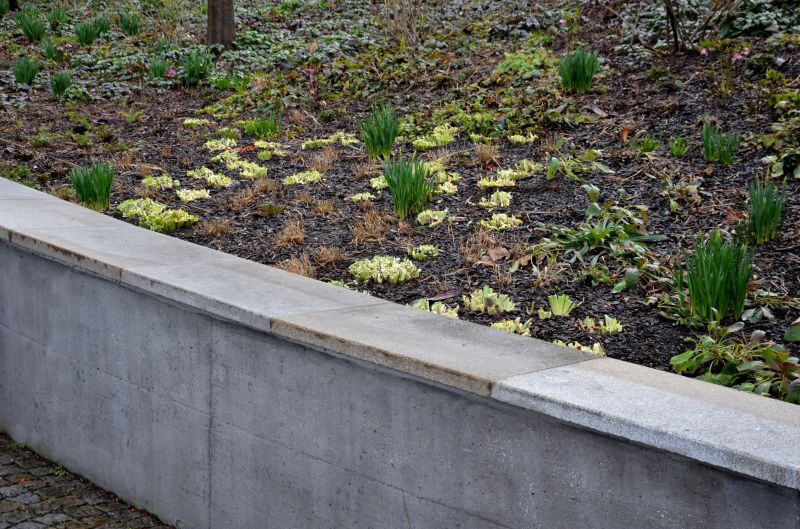
High-end options that actually feel worth it for Residential Erosion Controls.
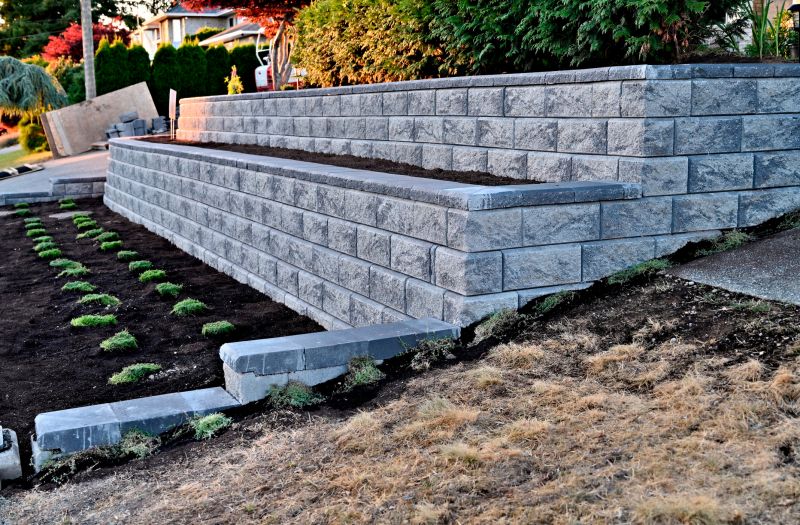
Finishes and colors that play nicely with Residential Erosion Controls.

Little measurements that prevent headaches on Residential Erosion Controls day.
| Season | Best Practices |
|---|---|
| Spring | Install erosion barriers early to prevent runoff from thawing soil. |
| Fall | Apply mulch and vegetative covers before winter to protect soil. |
| Summer | Monitor and maintain erosion controls during dry spells. |
| Winter | Ensure measures are winterized to withstand snow and ice. |
| Post-Weather Events | Assess and reinforce erosion controls after heavy rains or storms. |
| During Construction | Coordinate installation before major land disturbance. |
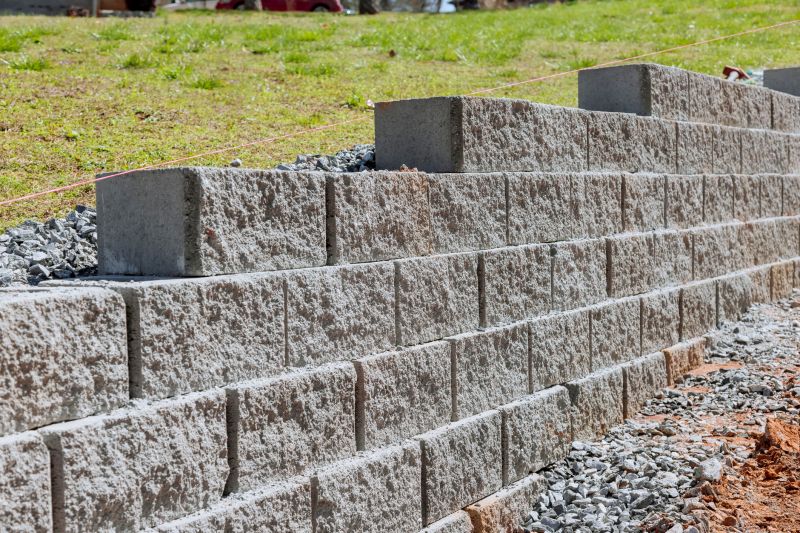
A 60-second routine that keeps Residential Erosion Controls looking new.
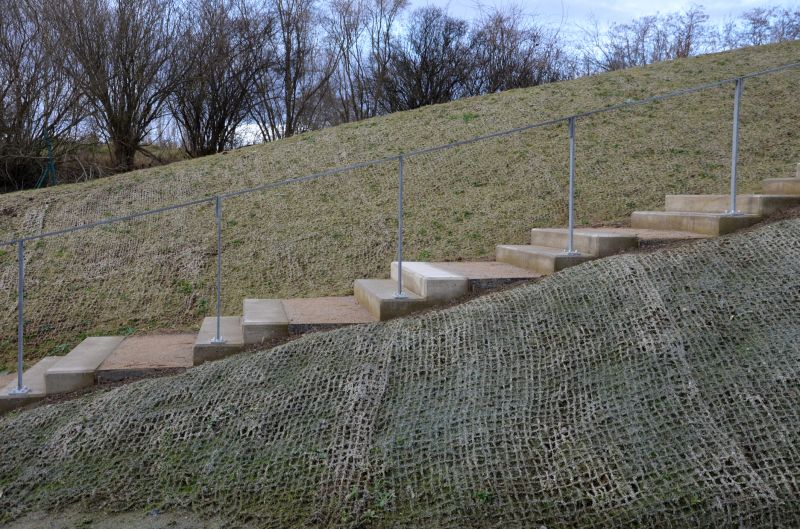
A frequent mistake in Residential Erosion Controls and how to dodge it.

Small tweaks to make Residential Erosion Controls safer and easier to use.
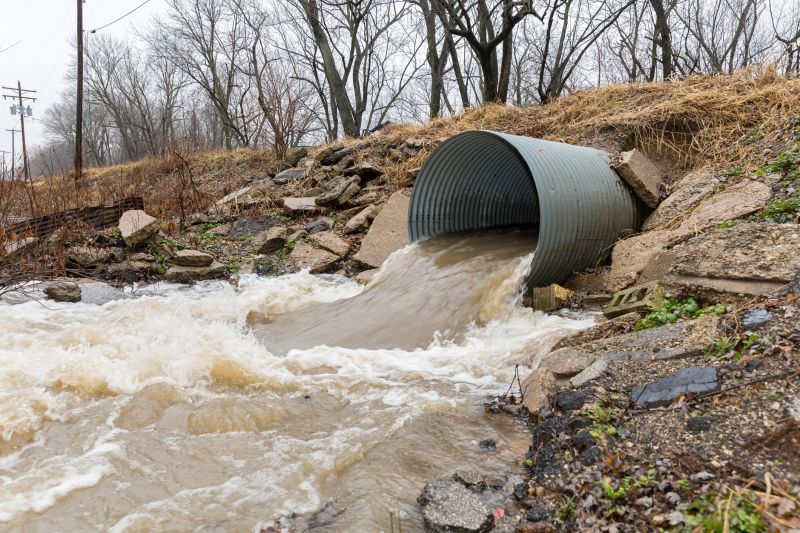
Lower-waste or water-saving choices for Residential Erosion Controls.
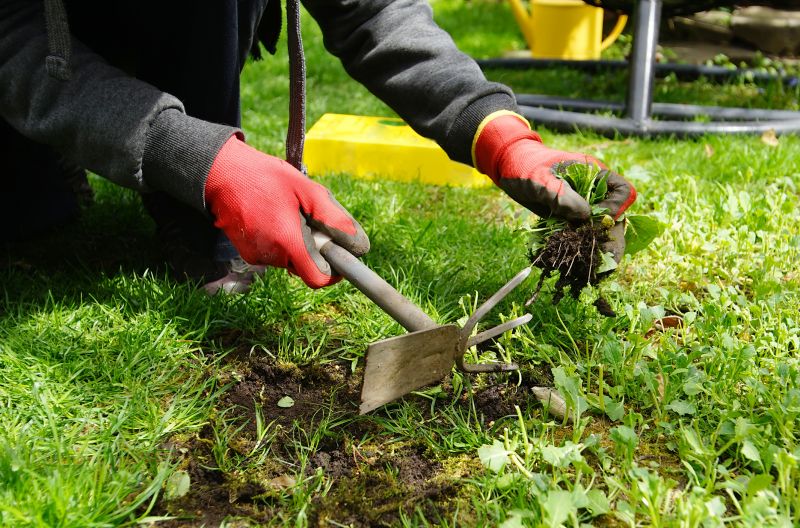
The short, realistic tool list for quality Residential Erosion Controls.
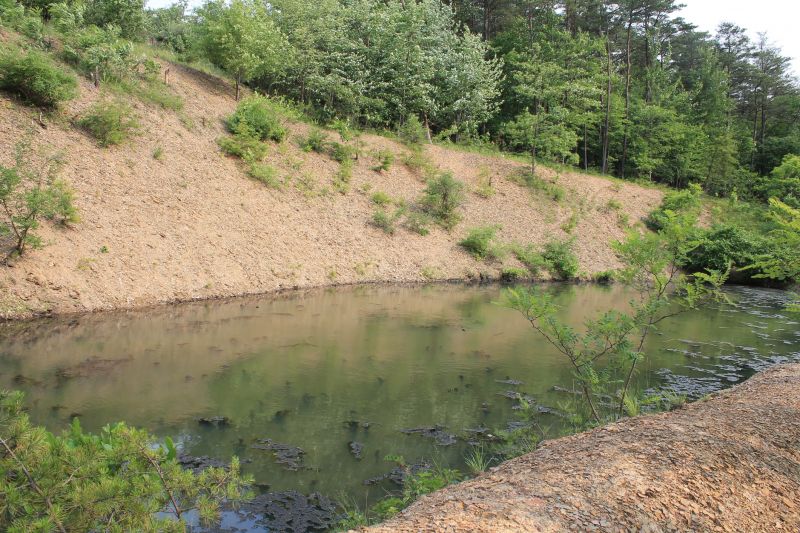
Rough timing from prep to clean-up for Residential Erosion Controls.
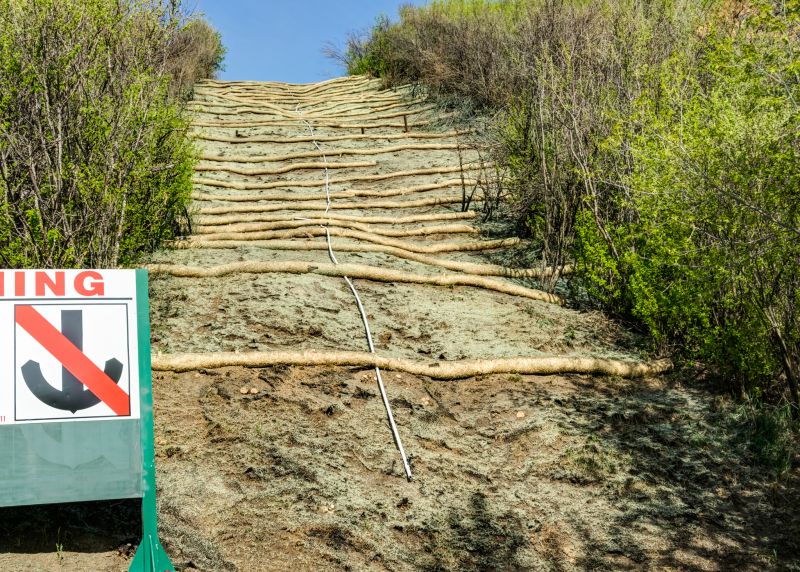
Quick checks and paperwork to keep after Residential Erosion Controls.
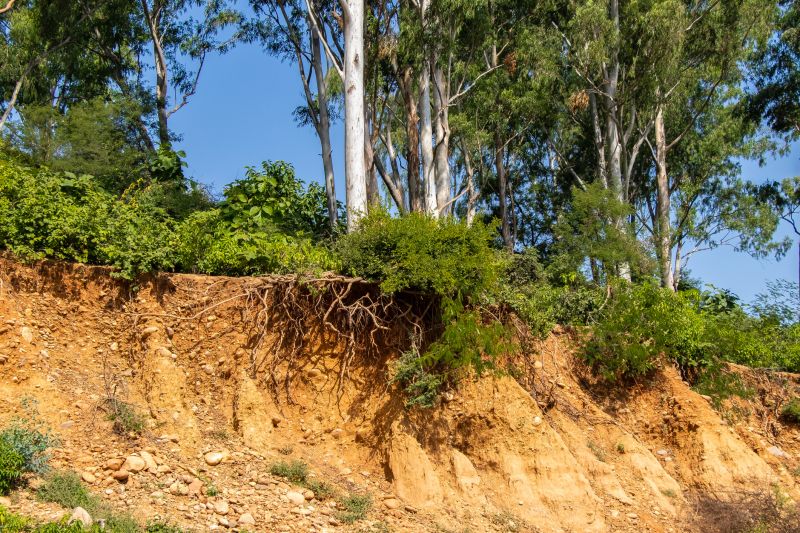
Examples that show the impact a good Residential Erosion Controls can make.
Effective timing of residential erosion controls is crucial for minimizing soil displacement and protecting property integrity. Properly scheduled installation and maintenance ensure that erosion prevention measures function optimally during periods of high risk. Regular assessment and timely upgrades can prevent costly damage and environmental degradation, contributing to a well-managed landscape.
Interested in implementing residential erosion controls? Filling out the contact form can provide guidance on suitable timing and recommended measures to protect property and landscape from erosion-related issues.